← Isabel RochusQuantitative analysisNYU M.S. Integrated MarketingSept 2026
GUCCI
Quantitative analysis · Customer lifetime value strategy

From volume to value

Gucci’s biggest customer group is not its most valuable one. For an NYU class, I built a customer lifetime value model to explore where long-term value may come from, and what that could mean for retention and growth in luxury.
TypeIndividual NYU case
ToolsExcel LTV model · 5C analysis
FocusSegmentation · Retention · CRM
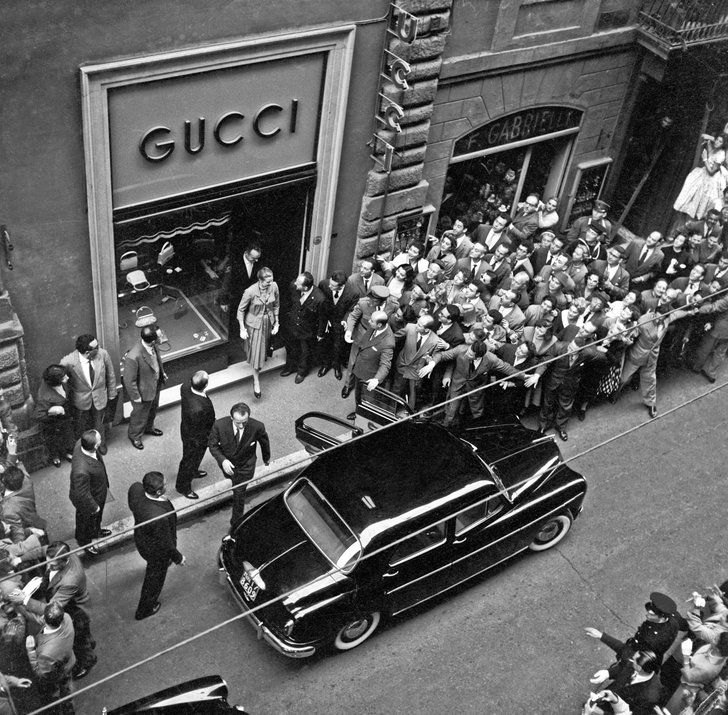
Black-and-white photo of a crowd gathered outside a Gucci boutique in the 1950s
Crowds outside a Gucci boutique, 1950s
01The insightGucciLTV analysis

80% of Gucci’s sales come from occasional shoppers, but the real long-term value sits with a small circle of loyal clients.

Segment 1VICsVery important clients. A few thousand people, the highest value per client by far.
Segment 2Core repeat buyersBuy iconic leather goods and footwear regularly. The profit engine and the pipeline to VIC.
Segment 3Aspirational shoppersMost of the volume, mostly entry pieces like fragrance and eyewear. The lowest value per client.
02What the exercise taught meLearningsGucci
Three takeaways
  • Revenue is not the same as valueThe segment that brings the most sales today is not necessarily the one that creates the most value over time.
  • Retention deserves as much attention as acquisitionIn luxury, long relationships with loyal clients can matter as much as reaching new ones.
  • Growth and exclusivity pull in different directionsAny growth plan for a luxury house has to protect the desirability that makes it valuable.
Directions explored in class
  • Deepening relationships with loyal clientsExperiences and services rooted in the house’s heritage, from Florence to its archive.
  • Encouraging a second purchaseHelping first-time buyers return through personal service rather than discounts.
  • Investing by long-term valueWeighing marketing spend by future value, not by audience size alone.

About this case

This is an academic exercise from my M.S. in Integrated Marketing at NYU, built to practice market analysis and understand how brands create value. It uses only publicly available information, such as Kering’s published results and industry estimates, combined with my own assumptions. It does not reflect Gucci’s internal data or strategy, and it is not meant as a recommendation to the company. Its purpose is to show how I approach a brand question: with research, structure and numbers.

03What it showsGucciSources

Skills in this case

  • Behavioral segmentation beyond demographics
  • Building a customer lifetime value model in Excel
  • Turning financial analysis into brand decisions
  • Balancing growth with exclusivity in a luxury house

Sources

  • Kering, 2025 Results press release
  • MediaRadar, Gucci advertising profile
  • Sunil Gupta, Quantitative Analysis in Marketing
  • Kumar & Mittal, Gucci: Staying Relevant in Luxury over a Century

Public sources and class assumptions only. Imagery used for academic illustration.

← Back to portfolio